

Selecting the right V-belt for your power transmission system is crucial for operational efficiency, equipment longevity, and minimizing downtime. With numerous classifications, material options, and functional variations available, understanding the distinctions between different V-belt types empowers you to make informed purchasing decisions that align with your specific application requirements.
Understanding V-Belt Basics
V-belts derive their name from their distinctive trapezoidal cross-section, which creates a wedging action within pulley grooves. This design enables superior power transmission compared to flat belts, delivering exceptional grip and torque transfer efficiency that can reach up to 98% in optimal conditions. The wedge-shaped profile allows V-belts to handle higher loads with less tension, making them indispensable in industrial machinery, agricultural equipment, HVAC systems, and automotive applications.

The fundamental construction of a V-belt consists of three essential components working in harmony. The tensile cords, typically made from polyester, aramid, or steel, form the load-carrying section that transmits power and ensures uniform load distribution. The base rubber compound provides compression resistance and dissipates internal heat buildup, while the protective cover shields the belt core from environmental damage and maintains proper friction against pulley surfaces.
V-Belt Classifications by Cross-Section
Classical V-Belts (A, B, C, D, E Sections)
Classical V-belts represent the most established and widely used category in industrial applications. These belts are designated by letter codes corresponding to specific dimensional specifications, with each section suited to different power ranges. Section A belts typically handle 0.1 to 3 kW, while larger sections scale progressively, with Section E belts capable of transmitting 5 to 50 kW per belt. The cross-section size correlates directly with the inside length measurement, forming part numbers like “B50” indicating a B-section belt with 50 inches inside circumference.
VIEW WISEBELT CLASSICAL V-BELTS

Classical belts excel in demanding environments where operating conditions may be less than ideal. Their robust construction tolerates misalignment, temperature fluctuations, and variable loads better than more specialized belt types. However, they generate higher bearing loads compared to narrow wedge designs and require more installation space due to their wider profile.
Narrow Wedge V-Belts (3V, 5V, 8V)
Narrow wedge belts feature an increased depth-to-width ratio, typically around 1.2:1 compared to the 1.6:1 ratio of classical belts. This geometric advantage allows them to transmit 1.5 to 2 times the horsepower of classical belts with equivalent top width, making them ideal for compact drive systems where space is limited. Wedge belts can handle motors ranging from 1 to 1000 horsepower, providing substantial power transmission capability in a smaller footprint.
The compact design of narrow wedge belts reduces the number of belts required for multiple-belt drives, lowering installation costs and simplifying maintenance procedures. Their enhanced power density makes them particularly valuable in modern machinery designs where weight reduction and space optimization are priorities. These belts operate efficiently at higher speeds, with some applications reaching up to 10,000 feet per minute when paired with dynamically balanced pulleys.
Cogged V-Belts
Cogged V-belts incorporate molded notches or cogs on the inner surface, significantly improving flexibility and heat dissipation characteristics. The precision-molded cog design allows these belts to operate on smaller diameter pulleys without excessive bending stress, expanding design possibilities for equipment manufacturers. The cogs function as built-in cooling channels, reducing operating temperatures by up to 15°F compared to smooth-sided belts.
VIEW WISEBELT COGGED V-BELTS

This enhanced flexibility translates directly into improved performance on serpentine drives and applications requiring tight bends. Cogged belts demonstrate superior resistance to bending fatigue, extending service life in high-flex applications. Available in both classical (AX, BX, CX) and narrow wedge (3VX, 5VX, 8VX) configurations, cogged belts deliver the benefits of their smooth counterparts with added performance advantages for demanding applications.
Raw Edge V-Belts
Raw edge V-belts eliminate the traditional fabric cover, exposing the rubber sidewalls directly to pulley contact surfaces. This construction delivers increased friction and reduced slippage compared to wrapped belts, translating to energy savings of up to 3% in many applications. The direct rubber-to-pulley contact provides more consistent power transmission and responds better to variable load conditions.
The absence of a fabric cover also improves heat dissipation and reduces the belt’s tendency to stretch over time. Raw edge belts maintain more consistent tension throughout their service life, requiring fewer adjustments and reducing maintenance intervals. Their superior grip characteristics make them particularly effective in high-torque applications and drives subject to frequent starting and stopping cycles.
Banded V-Belts
Banded V-belts consist of multiple individual V-belts joined together by a common top fabric or rubber tie band. This configuration prevents individual belts from turning over or coming off pulleys during operation, a critical advantage in high-vibration environments. Banded belts distribute loads evenly across all belts in the set, ensuring that no single belt carries disproportionate stress.
VIEW WISEBELT BANDED WEDGE V-BELT SPECIFICATION

These belts excel in severe-duty applications including reciprocating compressors, crushers, and equipment experiencing shock loads or pulsating power demands. The banding eliminates the need for matched sets in multiple-belt drives, as the unified construction ensures all belts maintain identical length and tension. Banded V-belts are frequently manufactured with aramid (Kevlar) reinforcement, providing exceptional strength for the most demanding industrial applications in agriculture, mining, forestry, and heavy manufacturing.
Material Selection: Matching Compounds to Applications
Natural and Synthetic Rubber Compounds
Traditional V-belts utilize natural rubber or neoprene (chloroprene) compounds that provide excellent general-purpose performance for moderate temperature and clean environment applications. These materials offer good flexibility, adequate heat resistance for most industrial drives, and cost-effective solutions for applications operating between 14°F and 140°F. Natural rubber belts remain popular in light- to medium-duty applications where environmental exposure is minimal.

Neoprene compounds enhance oil and chemical resistance compared to natural rubber, making them suitable for applications where exposure to petroleum products or industrial chemicals occurs. These materials provide reliable service in automotive serpentine belt applications, machine shops, and general manufacturing environments where occasional contamination may occur.
EPDM (Ethylene Propylene Diene Monomer) Construction
EPDM represents a significant advancement in V-belt material technology, offering substantially broader temperature operating ranges and superior environmental resistance. EPDM belts function reliably from -40°F to 248°F, providing a 70% broader temperature range compared to conventional rubber compounds. This expanded capability makes EPDM ideal for outdoor equipment, cold storage facilities, and high-temperature industrial processes.
Beyond temperature performance, EPDM demonstrates exceptional ozone resistance, preventing the cracking and degradation that plague traditional rubber belts in outdoor or ozone-rich environments. The material resists hardening over time, maintaining flexibility throughout its service life. EPDM belts typically last three times longer than conventional rubber belts in harsh conditions, offsetting their higher initial cost with reduced replacement frequency and lower total cost of ownership. Additionally, EPDM is environmentally friendly and contributes to energy efficiency initiatives, reducing the carbon footprint of industrial operations.
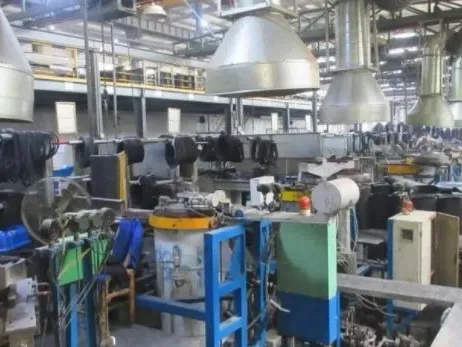
WISEBELT MANUFACTURING PROCESS




Aramid and Kevlar Reinforcement
High-performance V-belts incorporate aramid fibers (commonly known by the brand name Kevlar) as tensile members, delivering exceptional strength-to-weight ratios and minimal stretch characteristics. Aramid-reinforced belts maintain precise length over extended service intervals, reducing or eliminating retensioning requirements in many applications. This dimensional stability proves crucial in timing-sensitive applications and drives requiring consistent speed ratios.
The superior tensile strength of aramid fibers allows these belts to handle higher loads and shock absorption without permanent deformation. Aramid belts excel in applications involving heavy loads, constant cycling, or installations where access for maintenance is difficult. While commanding premium prices, aramid-reinforced belts deliver value through extended service life, reduced maintenance requirements, and improved system reliability in critical applications.
Functional Considerations for Optimal Belt Selection
Load and Power Requirements
Accurate assessment of horsepower and torque demands forms the foundation of proper belt selection. Undersized belts lead to premature failure, excessive slippage, and potential equipment damage, while oversized belts increase costs without performance benefits. Calculate the design horsepower by applying appropriate service factors accounting for load characteristics—continuous duty applications require different considerations than intermittent or shock-load scenarios.
Multiple-belt drives distribute power transmission across several belts, providing redundancy and enabling systems to handle loads exceeding single-belt capacity. When implementing multiple-belt drives, ensure proper matching of belt lengths to prevent uneven load distribution. Modern manufacturing techniques produce belts within tight tolerances, allowing installation of multiple belts without individual matching in most premium belt lines.
Operating Environment and Conditions
Environmental factors significantly impact belt performance and longevity. High-temperature environments above 140°F mandate EPDM or specialty high-temperature compounds to prevent premature degradation. Conversely, cold environments below 32°F require materials maintaining flexibility at low temperatures to avoid cracking during startup. Outdoor applications benefit from UV-resistant compounds and materials resisting ozone degradation.
Chemical exposure, oil contamination, and moisture presence influence material selection substantially. EPDM or specially compounded neoprene belts resist petroleum products and many industrial chemicals, while standard natural rubber belts deteriorate rapidly under such conditions. Abrasive dust and particulate-laden environments call for wrapped construction providing additional protection to belt cores, whereas clean environments allow raw edge belts to deliver their efficiency advantages.

Speed and Pulley Diameter
Belt speed significantly affects performance characteristics and material requirements. Standard V-belts operate optimally between 1,500 and 6,000 feet per minute, with 4,500 feet per minute representing ideal conditions for most classical belts. High-speed applications approaching or exceeding 6,000 feet per minute require dynamically balanced pulleys and may benefit from narrow wedge or cogged construction providing enhanced flexibility and reduced heat buildup.
Minimum pulley diameter considerations prevent excessive bending stress leading to premature belt failure. Cogged belts accommodate smaller pulley diameters than smooth belts of equivalent section, providing design flexibility in space-constrained applications. Consult manufacturer specifications for minimum recommended pulley diameters based on belt section and construction type to ensure adequate service life.
Partner with Wisebelt for Superior V-Belt Solutions
Selecting the optimal V-belt involves balancing multiple technical factors, including power requirements, environmental conditions, space constraints, and budget considerations. At Wisebelt, we understand that downtime costs far exceed initial belt investment, which is why we’re committed to providing premium-quality V-belts engineered for maximum reliability and longevity.
Experience the Wisebelt difference: superior materials, precision manufacturing, and uncompromising quality control combine to deliver V-belts that keep your equipment running efficiently. Explore our complete product line, access technical resources, and connect with our experts. When reliability matters, choose Wisebelt—your trusted partner in power transmission excellence.


