

The global rubber conveyor belt market reached USD 3.65 billion in 2024 and is projected to grow to USD 5.24 billion by 2033, driven by increasing industrialization, mining expansion, and manufacturing automation. The Asia-Pacific region accounts for approximately 34% of global market revenue, with strong growth momentum continuing through 2025.
Within this landscape, China, Vietnam, and India have emerged as primary manufacturing centers, each carving out specific competitive niches. Understanding their respective strengths helps buyers optimize their supply chain strategies while balancing cost, quality, and reliability considerations.

China: The Established Manufacturing Giant
Manufacturing Scale and Infrastructure
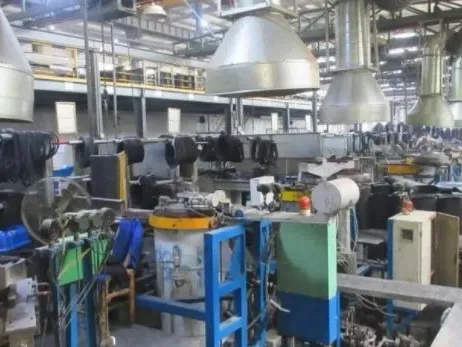
China maintains its position as the world’s largest rubber belt manufacturer, supported by decades of industrial development and extensive production capacity. Major manufacturers like Shandong Contitech and Qingdao Rubber Six operate facilities with annual outputs exceeding 25 million square meters, representing unmatched production scale globally.
Chinese manufacturers benefit from highly developed supply chain ecosystems, providing access to raw materials, advanced machinery from European suppliers like Siemplekamp Germany, and comprehensive testing capabilities. The country’s rubber belt industry has evolved from basic production to specialized manufacturing, now offering heat-resistant belts, steel cord variants, and custom-engineered solutions for demanding applications.
Technical Capabilities and Innovation
China’s rubber belt sector demonstrates strong research and development infrastructure. Manufacturers invest heavily in quality control systems, advanced compounding technologies, and product innovation. Leading firms employ over 126 technical personnel with medium and senior professional titles, enabling sophisticated product development and customization capabilities.
The industry produces comprehensive product ranges including EP conveyor belts, heat-resistant variants rated up to 300°C, abrasion-resistant formulations, and steel cord belts for heavy-duty mining applications. This diversity makes China suitable for buyers requiring multiple belt specifications from a single source.
VIEW WISEBELT RUBBER BELT MANUFACTURING PROCESS




Cost Considerations
While China historically offered the lowest manufacturing costs, recent years have seen increases in labor expenses and stricter environmental regulations. However, economies of scale, established infrastructure, and supply chain efficiency continue to provide competitive pricing for large-volume orders. Chinese suppliers typically excel in high-volume production runs where unit cost optimization is paramount.
Market Position and Trade Dynamics
China serves as both a massive domestic market and major exporter. The Belt and Road initiative has facilitated Chinese tire and rubber product manufacturers expanding overseas with facilities in Vietnam, Thailand, Cambodia, and Pakistan, demonstrating their global expansion strategy. However, buyers should consider ongoing trade tensions and anti-dumping investigations that periodically affect Chinese rubber products in certain markets.
Vietnam: The Rising Manufacturing Alternative
Strategic Advantages and Growth Trajectory
Vietnam has rapidly emerged as a compelling manufacturing alternative, particularly for companies pursuing “China Plus One” diversification strategies. Vietnam’s natural rubber production reached 1.3 million tonnes in 2024, ranking among the top three producers globally, providing secure access to raw materials.
The country’s rubber industry experienced remarkable growth, with rubber and plastic product manufacturing increasing 20.7% year-over-year in December 2024, and cumulative 2024 growth reaching 24.9%. This expansion reflects both increased domestic capacity and rising global demand for Vietnamese rubber products.

Cost Competitiveness
Vietnam offers attractive cost structures for rubber belt manufacturing. Labor costs remain competitive compared to China, while government policies provide substantial support for foreign investment. Vietnam attracted over $36 billion in foreign direct investment in 2024, with manufacturing accounting for nearly 25% of GDP.
The country benefits from advantageous trade agreements. The EU-Vietnam Free Trade Agreement (EVFTA) provides immediate tax exemptions for rubber couplers and hoses, with gradual tariff reductions from 6.5% to 0% for rubber conveyor belts within five years. These preferential tariffs enhance Vietnam’s competitiveness in European markets.
Manufacturing Capabilities and Quality
Vietnam’s rubber belt industry focuses on value-added manufacturing, moving beyond raw material exports. The country manufactures industrial rubber products including belts, hoses, seals, and gaskets serving agriculture, machinery, and oil and gas sectors. Major Vietnamese manufacturers invest in modern equipment and quality control systems to meet international standards.
The industry emphasizes sustainability and innovation. Vietnamese manufacturers increasingly utilize regenerated rubber from recycled truck tires, offering cost-effective and environmentally friendly alternatives that appeal to sustainability-conscious buyers.
Considerations for Buyers
While Vietnam offers significant advantages, buyers should consider certain limitations. The manufacturing ecosystem is less mature than China’s, potentially affecting lead times for highly customized specifications. However, for standard to medium-complexity rubber belts, Vietnam provides excellent value with improving quality standards and responsive customer service.
India: The Growing Domestic Powerhouse
Market Scale and Industrial Demand
India represents a unique proposition in the rubber belt market – simultaneously a major producer and the world’s second-largest natural rubber consumer. India’s conveyor belt market reached USD 557 million in 2024, with projections to grow to USD 856 million by 2033, driven by robust domestic industrial expansion.
The country’s mining sector alone provides substantial demand. India operates 1,531 mines producing 95 minerals, creating massive requirements for heavy-duty conveyor systems. This domestic demand base supports a sophisticated manufacturing industry focused on durability and performance.
Manufacturing Strengths
Indian rubber belt manufacturers excel in producing specialized, high-performance products. Leading manufacturers like Continental Belting produce over 5 kilometers of rubber conveyor belts daily, maintaining a ready stock of over 500 kilometers for rapid delivery. This production capacity, combined with extensive product portfolios spanning M-24 belts, chevron profiles, sidewall belts, and heat-resistant variants, positions India strongly for diverse applications.
Quality control infrastructure in India has matured significantly. Major manufacturers hold ISO 9001:2015 certifications and receive prestigious awards including National Export Awards and Excellence Awards, demonstrating commitment to international quality standards.

Technical Innovation and Customization
Indian manufacturers demonstrate strong engineering capabilities and customization expertise. The industry serves demanding applications across automotive, mining, cement, steel, and agricultural sectors, requiring specialized formulations and designs. Companies invest heavily in R&D, developing products that withstand extreme temperatures, chemical exposure, and heavy loads.
Indian manufacturers increasingly incorporate IoT integration, offering real-time belt monitoring systems and predictive maintenance capabilities, aligning with global Industry 4.0 trends.
Cost and Value Proposition
India’s cost structure positions it competitively, particularly for buyers prioritizing technical expertise and post-sales support. While not always the lowest-cost option, Indian manufacturers offer strong value through product quality, customization capabilities, and comprehensive after-sales service. Leading Indian suppliers achieve over 98% customer retention rates and typically respond to technical issues within 24 hours.
Export Orientation and Global Reach
Indian rubber belt manufacturers actively pursue international markets. Established exporters serve clients across Australia, North and South America, the Indian Subcontinent, Caribbean, Africa, and East Asia, demonstrating proven capability in meeting diverse international requirements and standards.
Comparative Analysis: Making the Right Choice
When to Choose China:
- Large-volume production requirements exceeding 100,000 meters
- Need for multiple product specifications from a single source
- Applications requiring advanced steel cord technology
- Buyers with established quality control processes and China experience
When to Choose Vietnam:
- “China Plus One” supply chain diversification initiatives
- European Union export destinations benefiting from EVFTA tariff advantages
- Standard to medium-complexity rubber belt requirements
- Buyers prioritizing sustainability and regenerated rubber options
- Growing production volumes where cost efficiency is critical
When to Choose India:
- Specialized, high-performance belt requirements
- Applications demanding extensive customization
- Projects requiring strong technical support and engineering collaboration
- Buyers valuing comprehensive after-sales service
- Mining, cement, and heavy industrial applications
- English-language communication preferences
Quality Standards and Certifications
Regardless of sourcing country, buyers should verify manufacturers maintain relevant certifications:
Essential Certifications:
- ISO 9001:2015 (Quality Management)
- Industry-specific standards (DIN, ASTM, IS)
- Environmental compliance (ISO 14001)
- Product testing documentation
VIEW WISEBELT CERTIFICATIONS


Advanced Capabilities to Consider:
- In-house testing laboratories
- Advanced compounding facilities
- Real-time monitoring systems integration
- Traceability and compliance documentation (particularly for EU markets)
Strategic Sourcing Recommendations
Successful rubber belt procurement requires strategic approaches beyond simple price comparison:
Diversification Strategy: Consider multi-country sourcing to balance risk, optimize costs, and ensure supply continuity. Many sophisticated buyers maintain relationships with suppliers in at least two countries.
Total Cost of Ownership: Evaluate beyond unit price to include shipping, duties, quality issues, downtime costs, and technical support value. A moderately higher-priced belt with superior durability and support often delivers better total value.
Long-term Partnership Approach: Build relationships with manufacturers demonstrating consistent quality, responsive communication, and genuine problem-solving orientation. The best suppliers function as technical partners, not merely vendors.
Compliance and Sustainability: Increasingly, regulatory requirements and corporate sustainability commitments influence sourcing decisions. Prioritize suppliers offering transparency, environmental certifications, and documented compliance with relevant regulations.
Partner with Wisebelt for Superior Rubber Belt Solutions
When selecting rubber belt suppliers, China, Vietnam, and India each offer compelling advantages. However, finding a manufacturer that combines technical excellence, reliable quality, competitive pricing, and responsive service can be challenging. This is where Wisebelt distinguishes itself.
As a leading Chinese rubber belt manufacturer, Wisebelt brings together the best of what the industry offers: extensive production capacity, advanced manufacturing technology, rigorous quality control, and deep engineering expertise. Our state-of-the-art facilities produce comprehensive rubber belt solutions for diverse applications including conveyor systems, power transmission, and specialized industrial requirements.
EXPLORE WISEBELT PRODUCT CATEGORY


Ready to experience the Wisebelt difference? Contact our team today to discuss your rubber belt requirements. We’ll provide expert consultation, competitive quotations, and solutions tailored to your specific needs. Let us demonstrate how the right manufacturing partner can enhance your operational efficiency, reduce total cost of ownership, and deliver the reliability your business demands.


